In the world of FM24, tactical familiarity is the secret sauce that can turn a mediocre team into champions. Imagine your players executing your game plan with the precision of a Swiss watch. It’s not just about the flashy formations or the latest tactics; it’s about how well your squad knows the drill. When players are familiar with their roles, they’ll make decisions faster than you can say “tiki-taka.”
But don’t get too comfortable just yet. Building that familiarity takes time, patience, and a sprinkle of tactical genius. It’s like teaching a cat to fetch—possible, but not without its challenges. Whether you’re a seasoned manager or a newbie looking to make waves, understanding tactical familiarity could be your ticket to glory. Get ready to dive into the nitty-gritty of how to make your tactics stick like glue, ensuring your team plays like a well-oiled machine.
Understanding FM24 Tactical Familiarity
Tactical familiarity significantly influences player performance in FM24, shaping a team’s success. Understanding its nuances benefits managers aiming to improve their squads.
Definition of Tactical Familiarity
Tactical familiarity refers to players’ grasp of their specific roles within a team’s strategy. Familiarity increases when players train together and consistently execute game plans. The effectiveness of these strategies stems from players’ ability to anticipate teammates’ movements. Increased familiarity fosters cohesion and enhances communication on the pitch. A clear understanding of tactical roles also aids players in adapting to various situations encountered during matches.
Importance in Gameplay
Gameplay is heavily impacted by tactical familiarity. Players who understand their roles make quicker, more informed decisions during critical moments. Enhanced decision-making leads to better execution of strategies, which can dictate match outcomes. Teams with high tactical familiarity often display superior teamwork, creating more goal-scoring opportunities. Positive results reinforce confidence, further improving players’ understanding of their roles. Managers can rely on familiar tactics to adapt to opponents, maximizing their team’s overall performance.
Factors Influencing Tactical Familiarity
Tactical familiarity hinges on several key factors, significantly impacting a team’s performance. Understanding these elements enhances how players engage with their specific roles and the overall strategy.
Player Attributes
Attributes of players play a crucial role in developing tactical familiarity. Skill level, decision-making ability, and adaptability dictate how well players grasp their responsibilities. Higher technical skills enable quicker integration into tactical systems. Additionally, cognitive abilities, including strategic thinking, can elevate a player’s understanding of game dynamics. Players who excel in communication often enhance team cohesion, making it easier to execute strategies. Moreover, physical attributes like stamina and speed may affect a player’s capacity to perform their roles effectively during matches.
Team Dynamics
Team dynamics significantly influence the growth of tactical familiarity among players. Cohesive relationships foster trust, which enhances communication and collaboration on the field. Regular training sessions encourage players to familiarize themselves with each other’s playing styles. A collective understanding of strategies emerges when team members frequently practice together. Leadership within the team also matters; experienced players can mentor others, bridging gaps in understanding. Overall, a supportive team environment nurtures a shared tactical vision, paving the way for increased familiarity and improved performance.
Strategies to Improve Tactical Familiarity
Tactical familiarity can significantly boost a team’s performance. Effective strategies play a crucial role in developing this familiarity.
Training Regimens
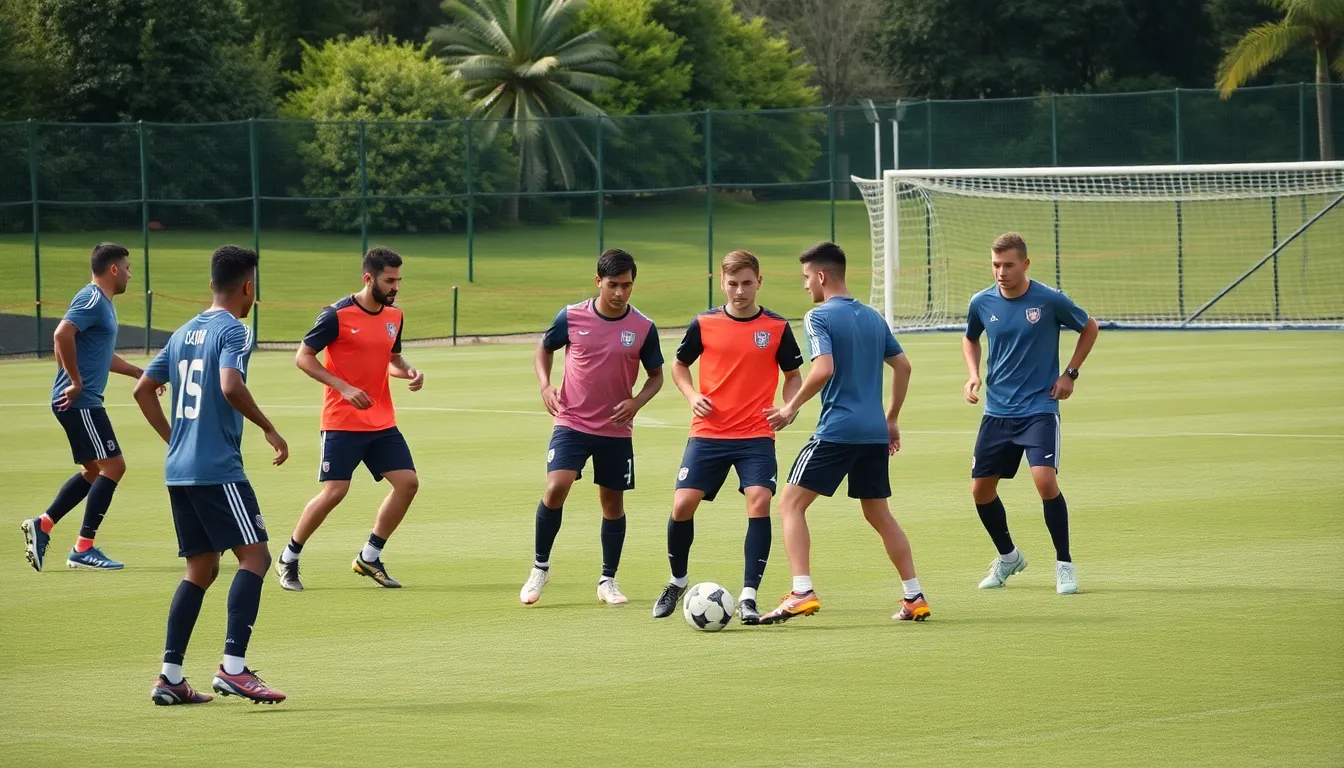
Structured training regimens increase players’ understanding of their roles. Consistency in practice sessions fosters the execution of strategies. Incorporating drills that mimic match scenarios enhances decision-making skills. Regular feedback during training sessions allows players to refine their techniques. Using video analysis provides visual insights, helping players grasp tactical nuances. Tailoring exercises to address specific team needs supports skill development. Engaging players in tactical discussions during training encourages mental acuity. These training methods create an environment conducive to learning and mastery.
Match Experience
Real match experience is invaluable for building tactical familiarity. Varied opponents challenge players to adapt and implement strategies effectively. Frequent competitive play sharpens decision-making under pressure. Observing experienced teammates during matches aids younger players’ understanding. Diversifying formations during games exposes players to different roles and tactics. Prioritizing friendlies that simulate league pressures fosters readiness for actual competitions. Analyzing post-match performances cultivates a reflective approach to learning. Each match becomes a stepping stone toward improved tactical cohesion.
Common Misconceptions
Misunderstandings about tactical familiarity can often lead to misconceptions that hinder team development.
Tactical Familiarity vs. Tactical Knowledge
Tactical familiarity and tactical knowledge aren’t interchangeable; they serve different purposes on the pitch. Familiarity emphasizes how well players adapt to their specific roles within a strategy. Knowledge, on the other hand, involves understanding the principles behind tactics. While knowledge provides the theoretical framework, familiarity translates that theory into practical execution during matches. Players can possess knowledge but struggle to apply it effectively due to a lack of familiarity. Coaches must cultivate both to ensure that players play instinctively, resulting in better performance. Emphasizing practice scenarios fosters this essential familiarity.
Impact of Familiarity on Player Performance
Familiarity has a profound effect on individual player performance. Players confident in their roles tend to make quicker and more informed decisions. Understanding their position allows them to react to dynamic match situations with greater ease. Enhanced tactical awareness promotes smoother interactions with teammates. Players who are familiar with a game plan exhibit higher levels of synergy, ultimately increasing teamwork efficiency. Statistical analysis shows a correlation between high tactical familiarity and elevated goal-scoring opportunities. Prioritizing this familiarity during training is crucial for maximizing team potential, as cohesiveness leads to an overall boost in performance.
Tactical familiarity is a game-changer for teams in FM24. It’s not just about knowing the tactics; it’s about players truly understanding their roles within the team. This understanding leads to quicker decisions and better execution of strategies on the pitch. As players become more familiar with their responsibilities through consistent training and match experience, they develop a cohesive unit that can adapt to various situations.
Investing time in building this familiarity pays off with improved teamwork and enhanced performance. Coaches who prioritize tactical familiarity create an environment where players can thrive, leading to more goal-scoring opportunities and overall success. Emphasizing both tactical knowledge and practical application ensures that teams reach their full potential, making tactical familiarity a crucial focus for any successful manager.