In the world of football management, every season brings new challenges, but nothing quite compares to the thrill of the FM24 rebuilding challenge. Imagine taking a struggling club with a history that’s more tragic than a soap opera and transforming it into a powerhouse that even the biggest teams fear. It’s like turning a rusty old bicycle into a sleek sports car—exciting and slightly absurd!
Overview of FM24 Rebuilding Challenge
FM24 rebuilding challenge captivates football management enthusiasts. Players encounter the task of revitalizing a club with a checkered past. This challenge emphasizes strategic decision-making and long-term planning. Participants typically start with limited resources and a squad lacking morale.
Transforming the club necessitates a keen understanding of player development. Individuals prioritize scouting for emerging talents and focusing on youth academies. Coaches play a critical role in this transformation, implementing effective training regimes to enhance team performance. Managers must also adapt to fluctuating in-game circumstances, constantly adjusting tactics to outsmart opponents.
Financial constraints add complexity to the challenge. Budget management becomes essential, with players tasked to make savvy decisions about player transfers and wage bills. Success hinges on balancing immediate needs with future aspirations. Teams often struggle against established rivals while aiming for trophies.
Key performance indicators to track include team cohesion, transfer success rates, and fan engagement. Building a strong rapport with fans fosters a sense of community and loyalty. Ultimately, achieving success in the FM24 rebuilding challenge requires a blend of strategy, patience, and creativity.
Such a journey transforms not only the club but also the manager’s skills, making the challenge a rewarding experience within the realm of football management. Engaging with this process makes every achievement feel significant, reinforcing the thrill of the game.
Key Objectives
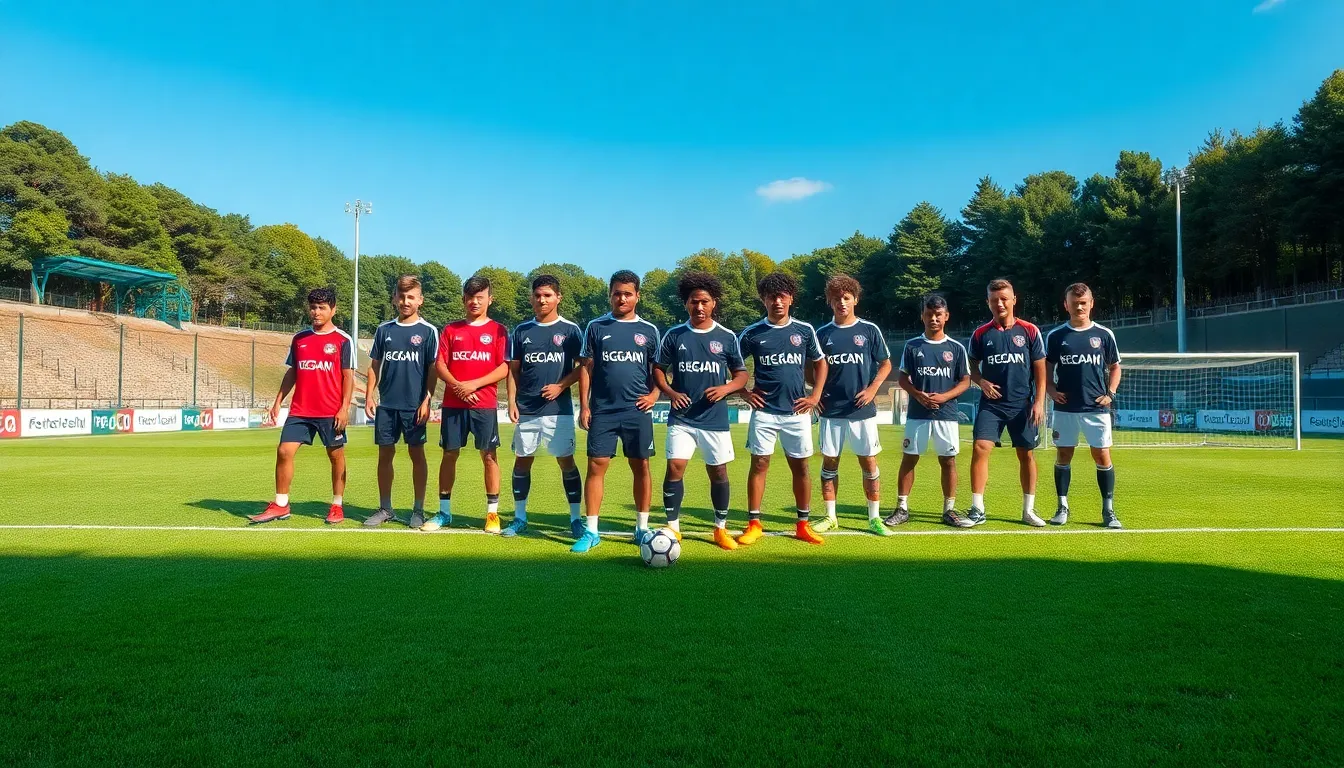
Achieving success in the FM24 rebuilding challenge involves several key objectives that drive the transformation of a struggling club into a competitive force.
Long-term Success
In football management, long-term success relies on strategic foundations. Developing youth players stands as a priority. Incorporating young talents enhances the squad while aligning with financial constraints. Investing in youth academies cultivates homegrown players, reducing reliance on expensive transfers. Establishing a balanced team dynamic promotes stability and resilience on the pitch. Managers must adapt tactics over seasons, responding to both successes and failures. Monitoring player progression helps ensure continuous improvement. Fostering relationships with key members of the coaching staff further strengthens the club’s future. Establishing consistent performance at all levels encourages sustainability and builds a legacy.
Club Culture
Club culture influences every aspect of the rebuilding process. Developing a positive environment encourages player morale and team cohesion. Initiating open communication channels fosters transparency between players and management. Establishing core values reflects the club’s identity, shaping how players and fans connect. Engaging with the local community enhances support and builds loyalty among fans. In addition, celebrating victories, both big and small, strengthens unity within the club. Maintaining a strong connection with supporters creates an inclusive atmosphere that drives performance. An emphasis on inclusivity and respect further enriches the experience for everyone involved in the club. Building this culture becomes essential for long-term success in the FM24 rebuilding challenge.
Strategies for Effective Rebuilding
Successful rebuilding in the FM24 challenge relies on specific strategies. Two critical areas include youth development and smart transfers.
Youth Development
Developing youth talent ranks as a top priority. Clubs must invest in their academies, ensuring they nurture emerging players. Effective scouting identifies potential stars, while tailored training programs refine their skills. Nurturing young athletes creates a vibrant squad, ready to compete at higher levels. Establishing a clear pathway for progression from youth teams to the first team enhances morale. Emphasizing mentorship from experienced players fosters growth and integrates young talent into the club culture. Long-term planning around youth development lays the foundation for sustained success.
Smart Transfers
Conducting smart transfers significantly impacts a club’s future. Identifying bargains and underutilized talents enhances the squad without overspending. Strategic evaluations of players based on statistics and fit for the system minimize risk. Prioritizing players with high potential over established stars ensures a mix of reliability and growth. Balancing the wage bill remains crucial; players must align with financial capabilities while meeting immediate needs. Utilizing loan agreements allows clubs to assess talents before committing financially. Building a reputation for smart transfers attracts better players, enhancing competitiveness over time.
Challenges Faced During the Rebuild
Challenges arise during the FM24 rebuilding challenge, requiring effective strategies and careful management to overcome various obstacles.
Financial Constraints
Limited resources complicate rebuilding efforts. Managers face strict budgets, impacting decisions on player transfers and wage bills. Efficient financial management becomes essential for balancing immediate team needs with future investments. Many clubs struggle to secure quality signings without overspending, which can be detrimental. Identifying undervalued players proves vital. Clubs often utilize loan agreements to mitigate financial risks, allowing assessment of player capabilities before substantial commitment. This prudent approach enhances a club’s reputation, attracting better talents while maintaining fiscal responsibility.
Player Morale
Player morale significantly influences team performance. A demoralized squad struggles to perform cohesively, often resulting in poor results. Managers must prioritize creating a positive environment, fostering open communication and trust among players. Implementing effective training regimes helps uplift spirits. Engaging in team-building activities strengthens bonds, ensuring players feel valued and motivated. Key strategies include recognizing individual contributions, celebrating small victories, and maintaining inclusivity. When morale improves, the team’s overall performance tends to reflect this enhanced spirit, driving the club toward achieving its long-term objectives.
Success Stories from FM24 Rebuilding Challenge
Numerous managers found success in the FM24 rebuilding challenge through strategic approaches and persistence. One standout story involves a manager who took charge of a lower league club with a troubled past. After investing heavily in youth development, this manager transformed the squad from relegation candidates to promotion contenders within three seasons.
Another remarkable journey occurred when a club with financial woes faced relegation. This manager focused on smart transfers, identifying undervalued talents and securing them on manageable contracts. The club’s fortunes changed dramatically, leading them to a cup victory and securing a spot in European competition within two years.
An iconic success story features a manager who revitalized a club by overhauling its culture. By fostering open communication and trust among players, team morale increased significantly. Notably, this manager implemented effective training regimes, leading to not only improved performances but also a strengthened bond within the squad.
One former manager showcased the power of strategic recruitment. Through a well-planned scouting network, they discovered several emerging players from lower divisions. This approach not only improved the team’s depth but also established a sustainable model for future success.
In another inspiring example, a manager took a previously stagnant club and introduced innovative playing styles. By adapting tactics to suit the team’s strengths and weaknesses, on-field performances elevated, helping the team achieve its goals faster. Within four seasons, this manager turned the club into a competitive force, capable of challenging established rivals for titles.
These stories exemplify how managers can achieve remarkable results in their FM24 rebuilding challenge through dedication, strategic foresight, and a strong focus on youth development and team cohesion.
The FM24 rebuilding challenge offers an exhilarating journey for football management enthusiasts. It’s a test of skill and strategy that goes beyond mere tactics. Managers must navigate financial constraints while building a cohesive team and fostering a positive club culture.
Success stories from this challenge inspire others to embrace the art of rebuilding. By prioritizing youth development and making savvy transfers, they can transform struggling clubs into competitive forces. Each step taken in this process not only enhances the club’s performance but also enriches the overall experience for players and fans alike.
Ultimately, the thrill of the FM24 rebuilding challenge lies in the transformation, making every victory a testament to the manager’s dedication and vision.