In the high-stakes world of football management, keeping players’ spirits high is as crucial as perfecting that killer formation. Imagine trying to lead a squad of grumpy millionaires who’d rather binge-watch reality TV than hit the training ground. That’s where the magic of morale boosts comes in. It’s not just about winning games; it’s about turning a bunch of sulky stars into a united force ready to conquer the pitch.
Understanding Football Manager Morale
Maintaining high morale in a football team plays a crucial role in maximizing performance. Positive morale encourages players to excel and work together toward common goals.
Importance of Morale in Football Management
Morale significantly impacts a team’s performance and cohesion. High morale boosts players’ confidence, which often translates to better on-field results. When players believe in their skills and each other, they take calculated risks during games. Higher morale also fosters resilience in the face of setbacks, as teams with a strong spirit can bounce back more easily from defeats. Football managers must prioritize morale to ensure a motivated and effective team that can consistently perform well.
Factors Affecting Team Morale
Many factors contribute to the morale of a football team. Communication styles from coaches influence how players feel about their roles within the squad. Regular feedback and acknowledgment of achievements can boost spirits. Team dynamics also matter; strong relationships among players promote a positive environment. Additionally, external pressures such as fans’ expectations or media attention can impact morale. Understanding these factors allows managers to devise strategies that enhance team spirit and unity, ultimately leading to better performance during competitions.
Mechanisms of Morale Boosting
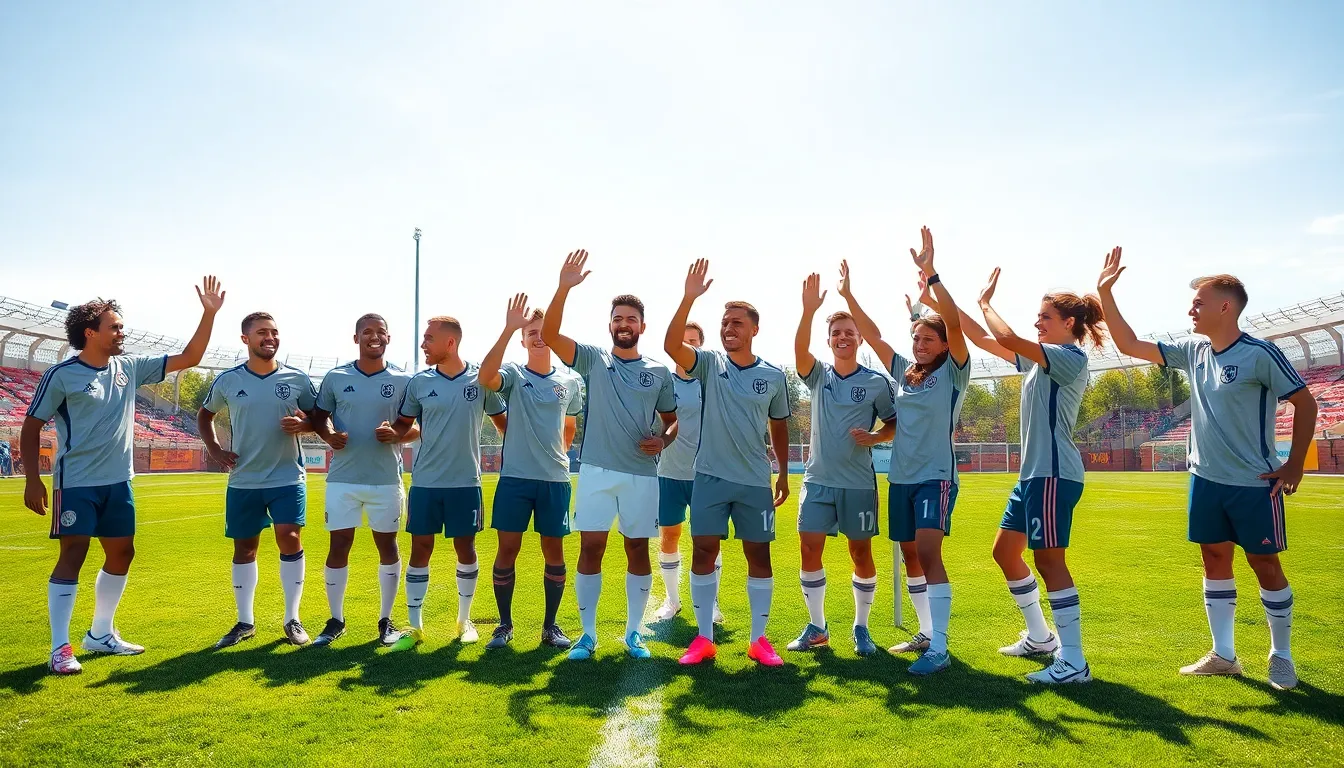
High morale among players stems from various mechanisms that contribute to team cohesion and performance. Understanding these mechanisms enhances a manager’s ability to motivate players effectively.
Player Relationships and Morale
Strong player relationships directly impact team morale. Trust and camaraderie create a supportive environment. Positive interactions among teammates foster collaboration during practices and matches. Managers can facilitate bonding through team-building exercises and social events. Developing personal connections encourages players to support each other emotionally. When individuals feel valued, their commitment to the team’s success increases. A united group promotes a sense of belonging, further strengthening morale within the squad.
Impact of Wins and Losses on Morale
The outcomes of games significantly influence team morale. Victories boost confidence and create a positive atmosphere, enhancing motivation for future matches. On the contrary, losses can lead to disappointment and reduced morale. Recovering from losses requires effective communication to refocus the team. Managers influence morale through their reactions to wins and losses. Celebrating accomplishments and addressing setbacks constructively can foster resilience among players. Maintaining perspective on the long-term goals helps the team remain united despite challenges, ensuring a stronger collective spirit.
Strategies for Enhancing Morale
Enhancing team morale requires focused strategies. Managers can implement effective communication techniques and engage players in team-building activities.
Effective Communication Techniques
Clear communication remains essential for team morale. Managers should frequent individual and group discussions to foster open dialogue. Transparency about expectations and individual roles builds trust. Actively listening to player concerns allows managers to address issues before they escalate. Positive reinforcement encourages players to reach their full potential. Using feedback sessions not only motivates individuals but also strengthens team cohesion.
Implementing Team-Building Activities
Team-building activities play a crucial role in enhancing morale. Scheduling regular exercises helps players connect beyond the pitch. Organizing friendly competitions fosters teamwork and camaraderie. Engaging players in social events strengthens bonds among team members. Managers can include activities such as skill workshops or community service, emphasizing collaboration and mutual support. Fostering positive relationships through these experiences promotes a harmonious team environment.
Measuring Morale in Football Management
Measuring morale in football management involves various tools and metrics that provide insights into player sentiments. Managers often rely on surveys to gauge team spirit and satisfaction. Regular feedback sessions allow players to express their thoughts and feelings openly. Observations during training sessions can reveal non-verbal cues about morale levels. Performance analytics track player output and collaboration on the field, serving as indirect indicators of team morale. Managerial discussions with assistant coaches can further clarify any issues affecting player motivation.
Tools and Metrics for Evaluation
A range of tools and metrics exists for evaluating morale in football teams. Surveys collect players’ anonymous feedback about their experiences and feelings within the team. Engagement levels during training sessions indicate enthusiasm and commitment. Performance statistics reveal patterns that correlate with morale trends, such as individual player ratings or overall team performance during matches. Social media sentiment analysis can provide additional context about how players and fans perceive the team’s environment. Combining these tools offers a holistic view of team morale and helps identify areas needing attention.
Interpreting Morale Data for Success
Interpreting morale data effectively drives team success. High satisfaction levels usually correlate with better performance on the pitch. Conversely, a decline in morale might signal underlying issues affecting team dynamics. Managers analyze survey results to pinpoint specific challenges faced by players. Paying attention to engagement trends during training helps identify if a disconnect exists in team chemistry. Contextualizing performance metrics alongside morale data strengthens decision-making, allowing managers to implement strategies that align with players’ needs and aspirations. By addressing morale proactively, teams can foster a positive atmosphere conducive to success.
Boosting team morale is a crucial aspect of football management that shouldn’t be overlooked. Managers who prioritize the emotional well-being of their players create an environment where individuals feel valued and motivated. By fostering strong relationships and encouraging open communication, they can enhance team cohesion and resilience.
Implementing effective strategies like team-building activities and regular feedback sessions can significantly impact morale. Understanding the nuances of player sentiments through various measurement tools allows managers to address concerns proactively. Ultimately, a motivated team is better equipped to face challenges and achieve collective goals. Investing in morale not only improves performance but also cultivates a culture of unity and support that can lead to long-term success on the field.